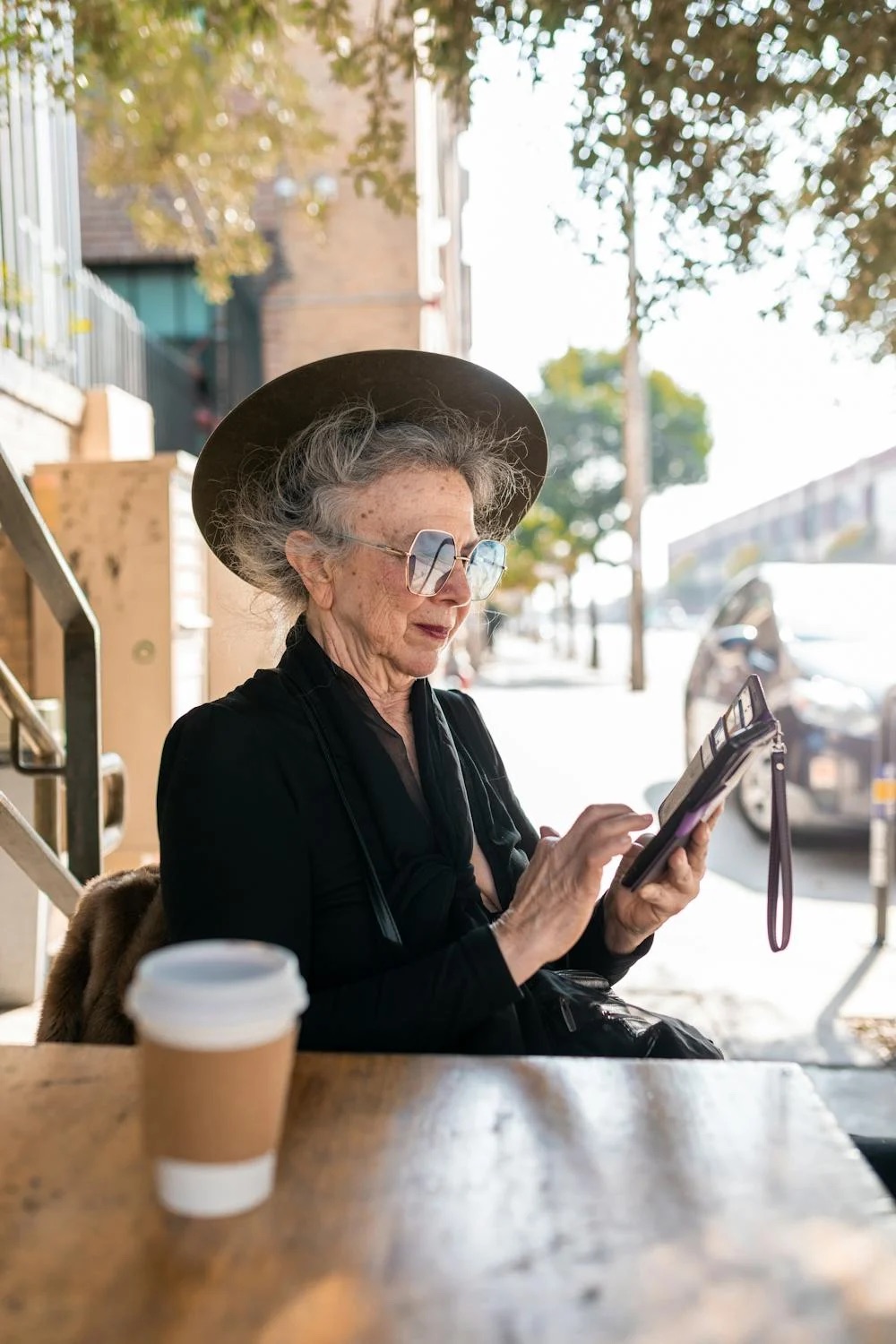
A few years ago, I first encountered the notion that “aging is a privilege,” and it resonated with me, albeit somewhat superficially at the time. It was an attractive phrase, one that wrapped the process of growing older in a veil of exclusivity and honor. There was an inherent power in those words, a redefinition of aging that seemed to elevate it beyond the mundane, beyond the fears and hesitations that typically accompany the passing years.
Today, my connection to that phrase deepens with a poignancy I hadn’t anticipated. Aging, I’ve come to realize, is indeed a privilege—one that is not afforded to everyone. As someone who has dedicated a significant part of my career to the beauty industry, advocating for products and treatments designed to mitigate the visible signs of aging, I find myself in a profound shift of perspective.
I’ve spent years recommending regimes that promise to keep wrinkles at bay, to preserve youthfulness as if it were a treasure that could be locked away from the natural progression of time. My interest even expanded into potential treatments that might attenuate these signs of aging more permanently. This pursuit of preservation, of holding onto youth, seemed crucial, almost elemental to the way I viewed life and success.
However, recent personal developments have dramatically altered my outlook. Today, the possibility of not witnessing my own skin fold into wrinkles, a testament to decades lived and experiences weathered, feels like a loss so vast it eclipses any previous fears of aging. The irony isn’t lost on me—that now, when faced with the reality that I might not experience growing old, I find myself longing for each and every sign of aging I once thought to fend off.
This shift in perspective brings with it a blend of sadness and clarity. Each wrinkle I once saw as an adversary now takes on the semblance of a coveted milestone. Knowing that I might never see them form on my own face imbues them with a significance that is difficult to articulate. They represent more than just age; they signify a life fully lived, a journey continued into the sunset years.
Despite this, I continue my work in the beauty industry with passion and commitment. I still use and endorse products that promise to keep us looking as youthful as our hearts feel. Let’s not be rash—self-care and wanting to look our best are desires that hold value and bring joy. Yet, if presented with the choice to trade these aids for the guarantee of experiencing a natural aging process, my answer has shifted. I would choose the wrinkles, the very marks I’ve built a career on avoiding, just to embrace the privilege of growing old.
In this journey, I am learning to cherish each day not just for what it brings in youthfulness but for the potential it holds to step gracefully into the tapestry of old age. Perhaps this is the heart of that powerful phrase that once caught my attention. Aging isn’t just a biological process; it’s a narrative of privilege, a story arc not promised to all. For those of us who are given the chance to grow old, it becomes not just a natural progression but a gift—an emblem of time bestowed upon us, filled with lessons, loves, losses, and, ultimately, a profound beauty that transcends the physical signs we so fear.
As I reflect on this evolving understanding, I hope to impart a new perspective to my readers: that while we care for our external selves, we might also honor the profound journey of life itself, and the privilege that aging truly is. To age is to continue, and to continue is to have been truly blessed.
What are your views on aging?
*This article is not sponsored. This article contains affiliate links which means that Blush Suede might receive a small commission at no extra cost to you if you make any purchases by clicking the links included in this article. Thank you for your support. It is you that keep us going.
One thought on “Reflecting on the Privilege of Aging”